

“Thimbleweed Park” on Android and iOS: A Classic Point-and-Click Adventure on Mobile
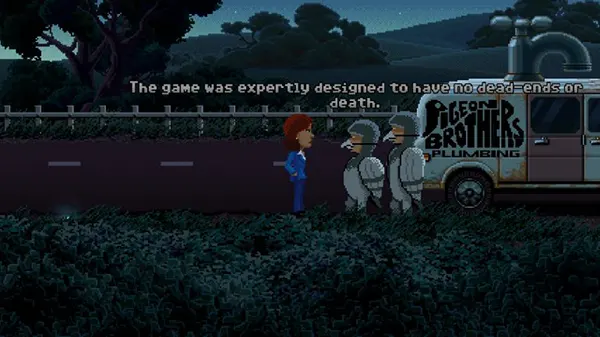
Thimbleweed Park is a story-driven point-and-click adventure designed in the spirit of late-1980s and early-1990s classics, but released as a modern title with contemporary quality-of-life features. It combines a murder mystery with surreal humour, multiple playable characters, and puzzles that reward careful observation. On Android and iOS, the game is presented as the full premium experience rather than a simplified mobile edition, making it an appealing choice for anyone who wants a proper narrative adventure on a phone or tablet.
What the Mobile Version Includes in 2026
The Android and iOS releases deliver the complete game: the full plot, the full cast, and the full set of locations. You can switch between characters, compare clues, and use information from one storyline to unlock progress in another. The structure is closer to a classic detective adventure than a modern “choose-your-own-path” narrative, so your progress depends on puzzle-solving rather than branching decisions.
In 2026, it remains a paid title with a traditional purchase model. That matters because it sets expectations: you are not paying to remove ads or to unlock chapters. Instead, you buy the game once and have access to the entire story. For many players, that’s a practical advantage, especially when compared to mobile games built around constant microtransactions and repeated prompts to spend.
Content-wise, the game is aimed at an adult audience. Its humour can be sharp and sometimes dark, and it includes themes that are not designed for younger children. If you are choosing it as a family game, it is worth checking age ratings and user feedback for your region, because the overall tone is closer to an offbeat crime story than a casual comedy.
Storage, Device Compatibility, and Practical Requirements
One of the first practical points is file size. The game is not small, and on many devices it may take close to a gigabyte of space once installed. If your phone storage is limited or you keep a lot of photos and offline media locally, it is worth clearing space in advance to avoid installation errors or performance issues.
Compatibility is generally broad. On Android, it supports older operating system versions, which is useful if you play on a secondary device or an older handset. On iOS, it is typically available for modern versions as well, but as with many premium games, long-term comfort depends on screen size: a larger phone or tablet makes text and interface elements easier to read.
Because this is a premium single-player game, update frequency is lower than for live-service titles. That is normal for a stable adventure game: once major bugs are fixed, the experience does not require constant new content. If you encounter a rare issue on a newer OS release, basic troubleshooting steps — restarting the device, reinstalling the game, or clearing cached data — often solve the problem.
How Touch Controls Change the Point-and-Click Experience
Point-and-click games live and die by usability. If tapping objects feels clumsy or if selecting items becomes a battle, the experience collapses. Thimbleweed Park is generally well suited to mobile play because its interactions are deliberate rather than fast, and the game design does not rely on split-second timing. You can take your time, scan each scene, and work through dialogue without pressure.
Touch screens also change how inventory management feels. Instead of dragging items with a mouse, you select and apply them through taps, which makes experimentation more straightforward. This is important because many puzzles involve testing combinations: an item that seems irrelevant at first may become essential later, and the mobile interface makes it easier to try ideas quickly.
Another advantage is how naturally the game fits into short sessions. You can solve a small puzzle, gather a clue, or explore a new area in ten minutes, then pause and return later without losing progress. This makes it a strong mobile option for commuters or anyone who prefers playing in short bursts rather than sitting for long continuous sessions.
Settings and Habits That Make Mobile Play More Comfortable
To improve readability, treat text clarity as a priority. Pixel-art games can be sharp on large displays but cramped on smaller phones. If you find yourself squinting, adjust in-game settings where possible and consider playing on a larger screen device. Even a small upgrade in screen size can change the overall comfort dramatically.
Audio is another surprisingly important factor. The soundtrack and ambient sound help maintain the game’s uneasy, small-town atmosphere. If you play in noisy places, headphones can improve your ability to follow dialogue and detect subtle mood shifts. You don’t need expensive equipment — the key is simply reducing external noise so the story lands properly.
Finally, treat the game like a traditional adventure rather than a quick mobile puzzle title. Take mental notes, revisit conversations, and explore locations thoroughly. The design assumes you will be curious and methodical. That slower, investigative mindset is often the difference between a frustrating experience and a satisfying one.
Who This Game Is For, and When It Might Not Click
Thimbleweed Park suits players who enjoy story, mystery, and problem-solving more than action. If you like reading dialogue, piecing together clues, and gradually understanding a strange world, it offers a lot. It is also a strong choice for people who want a premium offline game that does not push constant monetisation.
It also fits fans of classic adventure design. The game is self-aware: it plays with genre expectations and often jokes about the logic of point-and-click puzzles while still respecting the genre. For players who grew up with older adventures — or who want to understand why that style is still loved — it is a clear example of how the formula can still work today.
However, it may not appeal to everyone. If you dislike backtracking, get impatient with puzzle chains, or prefer games that move quickly from one objective to the next, some sections may feel slow. This is not a game designed for constant dopamine hits; it expects you to settle into its rhythm and stay there.
Buying and Playing Advice for 2026
If you are unsure whether the humour and pacing suit your taste, the most useful approach is to read detailed user impressions rather than just looking at star ratings. Focus on comments that describe puzzle difficulty, interface comfort on phones, and how the story develops after the opening hours. That will tell you far more than general praise.
Price expectations matter too. Because this is a paid game, it sits in the premium indie range rather than being a cheap impulse download. The upside is that you are paying for a complete narrative adventure with no gameplay locked behind additional purchases. If you prefer buying games during seasonal discounts, it is worth checking store sales, as premium titles often appear in promotions.
Once you start playing, approach it with patience. Explore every area, speak to characters more than once, and test your inventory ideas even if they feel silly. Thimbleweed Park is built around the satisfaction of slow discovery — and on mobile, that slow discovery can be surprisingly relaxing, especially if you give it the attention it asks for.
RECOMMENDED GAMES
-
 Best Casino Simulators for PC: Vegas Style Games Without Real Stakes
Casino simulators for PC offer a way to enjoy the …
-
 Azur Promilia Review: A Fantasy RPG Built for Mobile Players
Azur Promilia is one of the most discussed mobile RPG …
-
 Kingdom Rush 5: Alliance – Wukong’s Journey: The Return of a Legend...
The Kingdom Rush franchise has long been regarded as one …
-
 Destiny: Rising — A Mobile Sci-Fi RPG Shooter
“Destiny: Rising” has emerged in 2025 as one of the …