

Solo Leveling: ARISE — Beginner Guide to Progression and Combat Strategy
Solo Leveling: ARISE builds its gameplay around fast character growth, structured progression systems, and skill-based combat decisions. At the start, players often make inefficient choices that slow down their development, especially in resource management and team composition. This guide focuses on practical steps to optimise early progress, understand combat mechanics, and avoid common mistakes during the first stages of the game.
Understanding Early Progression Systems
The first hours in Solo Leveling: ARISE are centred on unlocking core mechanics: story chapters, daily missions, and hunter upgrades. Progression is closely tied to clearing stages efficiently rather than simply increasing power. Each completed mission grants materials needed for levelling Sung Jin-Woo and supporting hunters, so consistency matters more than rushing ahead.
One key aspect is stamina management. Early players often waste stamina on low-value missions instead of focusing on stages that drop upgrade materials. Prioritising dungeons that provide enhancement stones and skill upgrade resources leads to faster power scaling. It is also worth completing daily and weekly tasks, as they provide premium currency and essential items without requiring additional grinding.
Another important system is gear acquisition. Equipment obtained early on may seem interchangeable, but set bonuses become critical quite quickly. Instead of equipping random items, it is better to focus on completing basic sets that boost attack or critical damage. This approach ensures smoother progression through mid-level content.
Efficient Resource Allocation at the Start
Gold and upgrade materials are limited during the early game, so spending them wisely has a direct impact on progression speed. Investing heavily in multiple characters at once often results in weaker overall performance. It is more effective to focus on one main damage dealer and gradually build a supporting team around them.
Skill upgrades should follow a clear priority. Active combat skills that deal direct damage or provide crowd control bring more value than passive boosts in the beginning. Enhancing these abilities allows players to clear stages faster and reduce incoming damage through better control of enemies.
Summoning decisions also require discipline. While it may be tempting to spend all available currency on early banners, saving resources for stronger hunters or limited-time events often results in better long-term outcomes. A measured approach helps maintain balance between progression and future opportunities.
Combat Mechanics and Positioning
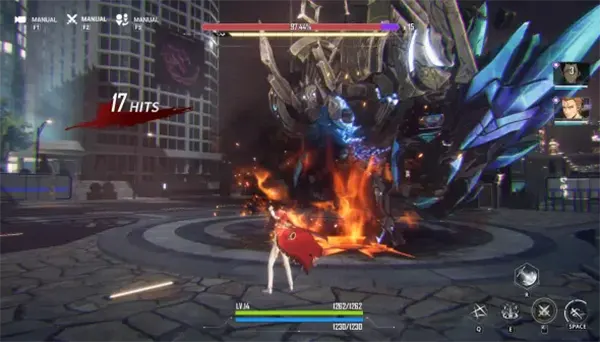
Combat in Solo Leveling: ARISE is not purely based on stats. Movement, timing, and positioning play a significant role, especially during boss encounters. Dodging attacks at the right moment can prevent heavy damage and trigger counter opportunities, which significantly increases overall efficiency.
Understanding enemy patterns is essential. Most bosses follow predictable attack sequences that can be learned after a few attempts. Recognising these patterns allows players to conserve health and avoid unnecessary skill usage. Instead of reacting randomly, it becomes possible to plan actions in advance.
Another key mechanic is skill chaining. Combining abilities in the correct order maximises damage output. For example, starting with a crowd control skill and following up with high-damage attacks ensures that enemies cannot interrupt the sequence. This approach becomes especially important in timed missions where efficiency directly affects rewards.
Building a Balanced Combat Team
Team composition influences both survivability and damage output. A balanced team usually includes a main damage dealer, a support unit, and a character capable of applying debuffs or control effects. Ignoring team synergy often leads to difficulties in later stages where enemies become more resilient.
Elemental advantages also play a role in combat effectiveness. Matching your team’s elements against enemy weaknesses can significantly reduce the time required to complete missions. This becomes increasingly important in advanced dungeons where time limits are stricter.
Switching characters at the right moment is another underused mechanic. Instead of relying on a single hunter, rotating between characters allows continuous damage output while skills are on cooldown. This creates a smoother combat flow and reduces downtime between attacks.
Common Early Mistakes and How to Avoid Them
One of the most frequent mistakes is over-investing in low-tier gear. Early equipment is quickly replaced, so upgrading it beyond basic levels often wastes valuable resources. It is better to save materials for higher-quality items obtained later in the game.
Another issue is ignoring daily content. Many players focus only on story progression and miss out on repeatable activities that provide steady rewards. Daily dungeons, missions, and login bonuses contribute significantly to long-term growth and should not be overlooked.
Players also tend to underestimate the importance of skill timing. Using abilities as soon as they become available may seem efficient, but it often leads to wasted damage or missed opportunities. Waiting for the right moment, especially during boss vulnerability phases, produces better results.
Optimising Long-Term Growth Strategy
Planning ahead is crucial for sustainable progress. Instead of reacting to immediate challenges, players benefit from setting priorities for upgrades and resource usage. This includes deciding which characters to develop and which materials to save for future content.
Participation in limited-time events is another important factor. Events often provide rewards that are difficult to obtain elsewhere, including rare upgrade materials and exclusive characters. Keeping track of these opportunities helps maintain a competitive progression pace.
Finally, consistency is more valuable than intensity. Regular play sessions with clear goals lead to steady improvement, while irregular grinding often results in inefficient use of time and resources. A structured approach ensures that each session contributes meaningfully to overall progression.
RECOMMENDED GAMES
-
 Best Casino Simulators for PC: Vegas Style Games Without Real Stakes
Casino simulators for PC offer a way to enjoy the …
-
 Azur Promilia Review: A Fantasy RPG Built for Mobile Players
Azur Promilia is one of the most discussed mobile RPG …
-
 Kingdom Rush 5: Alliance – Wukong’s Journey: The Return of a Legend...
The Kingdom Rush franchise has long been regarded as one …
-
 Destiny: Rising — A Mobile Sci-Fi RPG Shooter
“Destiny: Rising” has emerged in 2025 as one of the …